A Dust Bag That Fades Can Ruin More Than Just Your Bag: The Truth About Color Fastness Every Brand Should Know
Date: 2026-06-16
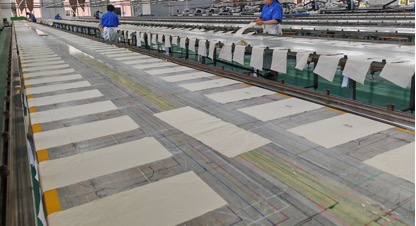
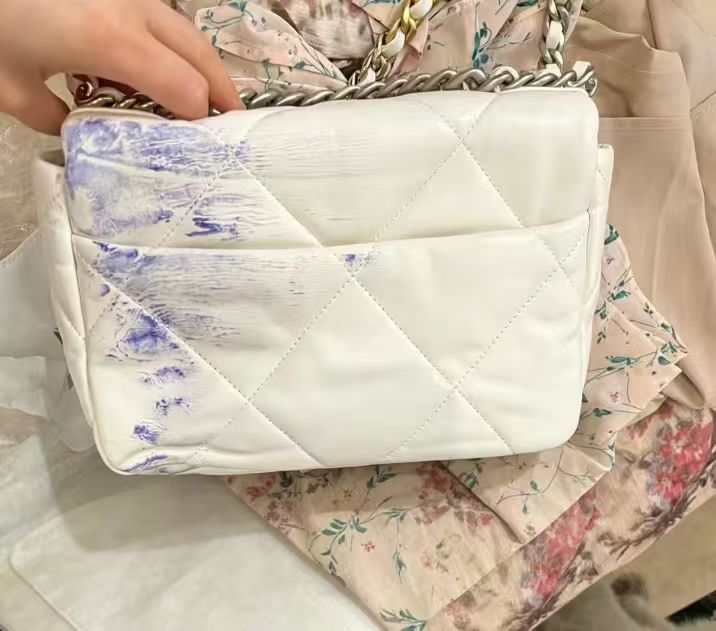
A Dust Bag That Fades Can Ruin More Than Just Your Bag: The Truth About Color Fastness Every Brand Should Know Have you ever experienced this? You place a cherished light-colored handbag into a new dust bag for storage. A few months later, you take it out — only to find dark marks from the dust bag’s inner fabric transferred onto the corners of your bag. Or worse, you wash the dust bag and turn the water into a tub of dye — staining other clothes beyond recognition. What’s the culprit? The answer is simple: poor color fastness. In simple terms, it’s the fabric’s ability to resist fading. The higher the color fastness rating, the closer the fabric’s color stays to its original state after daily use, washing, and even sunlight exposure. Low color fastness, on the other hand, leads to fading, discoloration, bleeding, and staining. For textile manufacturers, failing to meet color fastness standards doesn’t just hurt product reputation — it can directly result in failed quality inspections, batch returns, and lost big-name clients. For consumers, a dust bag with poor color fastness not only looks shabby itself but can also ruin expensive handbags and clothing — and that’s the real heartbreak. Why Does Color Fastness Matter So Much for Dust Bags? Many people think a dust bag is “just a cloth bag”— not worth much attention. But for brands and high-end consumers, the dust bag is part of the product experience and the last line of defense for brand image. 1. Brand Protection — One Bleeding Incident Is All It Takes Imagine this: A customer spends thousands of dollars on a luxury handbag. The accompanying dust bag bleeds severely the first time they wash it — staining the sink pink. Does the customer blame “the dust bag” alone, or do they start questioning the brand’s overall quality? The answer is obvious. One staining incident is enough to trigger negative reviews, product returns, and even “avoid this brand” posts on social media. The trust ruined by one faulty dust bag may take dozens of good products to rebuild. 2. Quality Assurance — Your Ticket to Global Markets Well-known brands stay well-known because they never compromise on details. A dust bag may be small, but it still needs to meet internationally recognized color fastness standards — such as ISO or AATCC. Passing these tests proves that the product remains stable and reliable through washing, rubbing, light exposure, and perspiration. Without this “passport,” many major clients won’t even look at your sample. 3. Durability — Real Cost Savings A dust bag with high color fastness can be washed repeatedly and used for a long time — resisting UV exposure, friction, and sweat. Customers will think, “Even the accessory is this thoughtfully made.” And brands save on after-sale complaints and replacement costs. In contrast, a low-color-fastness bag might look great when it leaves the factory, but after one wash, it’s ruined — money down the drain. 4. Safety and Compliance — It’s About Health, Too Low-quality dyes often contain harmful chemicals like formaldehyde and heavy metals, which can irritate sensitive skin. Dust bags aren’t worn directly against the body, but they sit inside closets and come into contact with clothing and bags for long periods — the risk is still real. Professional color fastness testing is also a silent promise to protect user health. How We, as a Dust Bag Manufacturer, Approach Color Fastness We know this well: a dust bag is not the star — but it protects the star. A qualified dust bag must first do one thing well: not fade, not bleed, not transfer color. We don’t chase flashy gimmicks. Instead, every batch of fabric that enters our factory undergoes strict testing, including: Washing color fastness — Simulates daily washing or accidental water exposure. No fading, no staining. Rubbing color fastness — Simulates repeated contact between the dust bag and bag surfaces. Passes both dry and wet rubbing. Light color fastness — Even after long-term exposure to sunlight by a window or in a display case, no noticeable color change. Perspiration color fastness — Especially important in humid environments. Ensures dyes don’t migrate onto bags due to moisture or sweat. We retain samples from every shipment and provide traceable test reports. Because we understand that for our brand clients, one problematic dust bag could mean a crisis of trust for an entire shipment. A Suggestion for Brands: Don’t Lose Trust on the Smallest Detail The dust bag is small, but it stays right next to your product every day. Its color fastness directly reflects how seriously you take quality. When choosing a supplier, be sure to ask three questions: Do they test color fastness according to ISO or AATCC standards? Can they provide test reports for different fabric batches? Do they have additional fixation and inspection processes for dark colors or special materials? If you’re looking for a dust bag manufacturer that truly takes color fastness seriously, feel free to reach out. We don’t promise the cheapest price — but we promise that every bag leaving our factory can stand up to washing, sunlight, rubbing, and wear. Let the dust bag quietly protect — not quietly bleed.

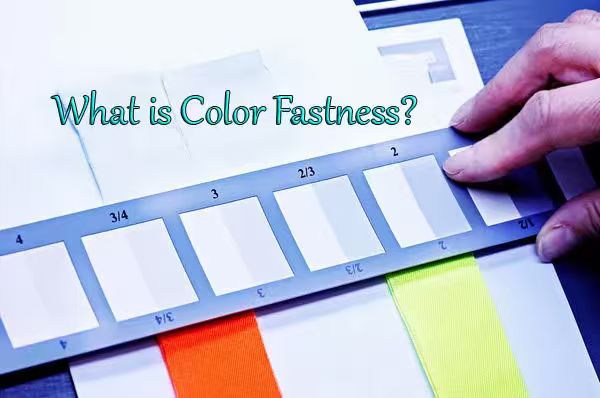 In simple terms, it’s the fabric’s ability to resist fading.